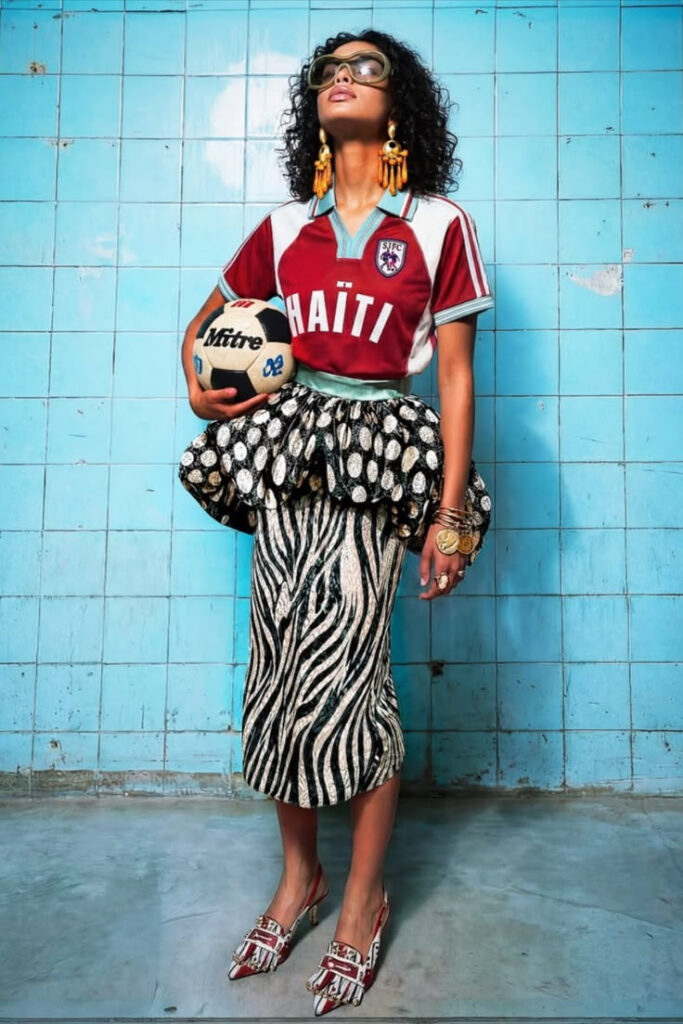
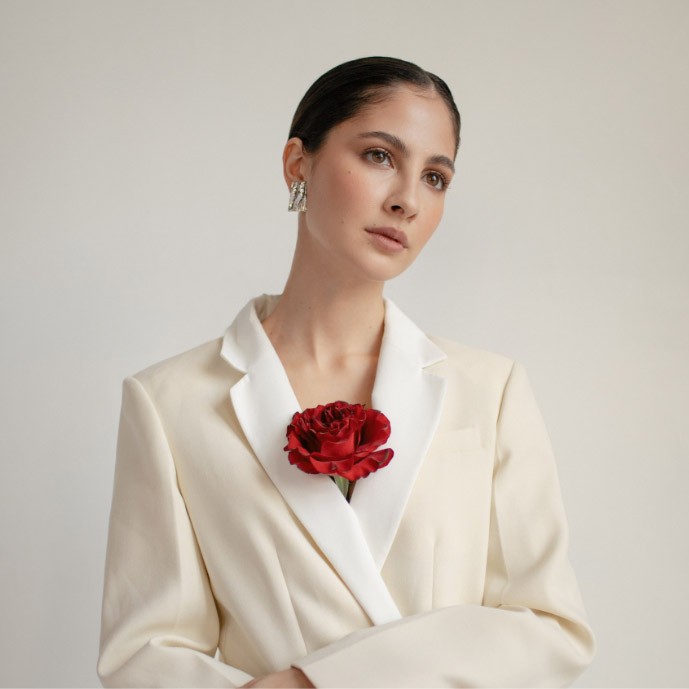
For a while now, fashion has been stuck in a very disciplined phase. Beige on beige, quiet luxury, capsule wardrobes, the whole “does it spark joy or does it spark envy” phase. But open up fashion feeds right now and a different energy is creeping back in. Colour blocking, embellishment, clashing prints, and a general refusal to dress quietly. The internet has already given it a name, chatpata dressing, and it looks like more than just a micro trend, it looks like the start of an entire maximalist season.
Chatpata, if you are translating it literally, means tangy, spicy, a little bit of everything hitting your tongue at once. Applied to fashion, it means outfits that do not pick one mood and stick to it. A single look might carry a printed kurta, a clashing dupatta, chunky jhumkas, and a bag in a completely unrelated colour, and somehow it works because the whole point is that it should not be quiet. It is less about restraint and more about abundance, which feels like a very fitting mood for where fashion is heading right now.
Sister says
This move towards maximalism did not happen overnight, it has been building through festive dressing, through the revival of interest in regional textiles, and through a general fatigue with algorithm approved minimalism that started to look identical on everyone. What chatpata dressing has done is give people permission to go back to color, print, and embellishment without feeling like they are doing too much.
One clear direction is prints layered on prints, something ethnic wear has always done well but is now spilling into everyday fusion dressing too. A printed cotton kurta and trouser set with a contrasting dupatta is a good example of how ethnic motifs are being styled as full, deliberately busy outfits rather than one quiet statement piece.
Embellishment is the second big pillar of this trend, and it has moved well beyond just festive wear. Sequins, beading, and metallic thread are showing up on everyday silhouettes, not just occasionwear. A good flared maxi dress captures this well, taking a shape that could easily be minimal and loading it up with detail instead.
Colour is doing the heaviest lifting though. Where the last few seasons leaned into muted, tonal palettes, chatpata dressing wants clashing brights, think fuchsia with mustard, or emerald with orange, worn without any apology. What makes this feel different from the maximalism of a decade ago is that it draws directly from centuries old textile traditions rather than borrowing from the West. Block prints, bandhani, mirror work, and zari are being pulled into contemporary silhouettes, which gives the whole trend a sense of cultural specificity instead of just noise for the sake of noise.
Sister rules
- Pick one anchor per outfit. Even the busiest chatpata look usually has one element, a print, a colour, or an accessory, that everything else is built around.
- Balance texture with silhouette. If your fabric and print are already doing a lot, keep the cut relatively simple so the outfit does not fight itself.
- Do not be afraid of clashing colour families, but keep at least one neutral element, a bag, a shoe, or a layering piece, to give the eye somewhere to rest.
- Respect the craft. A lot of this trend is built on traditional textile techniques, so buy from brands that are transparent about sourcing and credit the artisans and regions behind the work.
- Scale your accessories to your outfit, not against it. If the outfit is already maximal, oversized jhumkas and a clean bag usually work better than piling on more competing prints.
- Maximalism does not mean more expensive. A lot of this trend is achievable through smart mixing of what you already own, an old printed dupatta with a new solid kurta can do just as much work as buying something entirely new.
TL;DR
Fashion is moving away from quiet minimalism and into a louder, more expressive maximalist season. The look leans on layered prints, visible embellishment, and clashing colour combinations, all drawing from centuries old textile traditions like block printing, bandhani, and zari work rather than borrowed Western maximalism. To pull it off, anchor each outfit around one focal element, balance busy textures with simpler silhouettes, and let accessories complement rather than compete with an already loud look.
Sister Shops:
House of Niav – Nomad Shalwar Set
rustorange – Mira Pure Slub Cotton Dress
BANANA labs – Brown Geometric Hand Block Printed Midi Dress