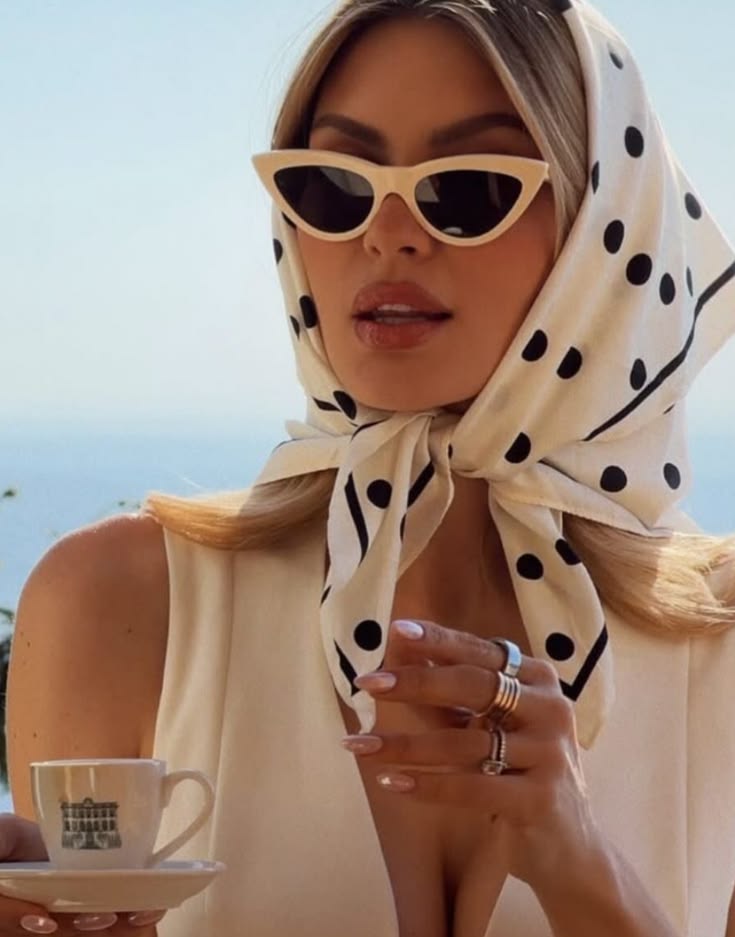
Every few months, fashion editors declare a new aesthetic has taken over our feeds, and every few months, the internet obliges by producing a thousand explainer reels and a hundred thousand imitation outfits. Most of these microtrends burn out fast, replaced before the algorithm even finishes recommending them to a wider audience. Old money style is always an exception. It keeps returning, keeps getting rebranded under slightly different names, and keeps selling out, season after season.
Part of the appeal is that old money dressing was never really invented for social media in the first place. It borrows from decades of preppy East Coast wardrobes, English countryside tailoring, and the confidence of people who never needed their clothes to announce a price tag. That history gives it a kind of built in credibility that newer, more manufactured trends just cannot fake. When something looks expensive without shouting about it, it photographs well in almost any context, which makes it easy to repost and easy for anyone to copy.
Sister Says
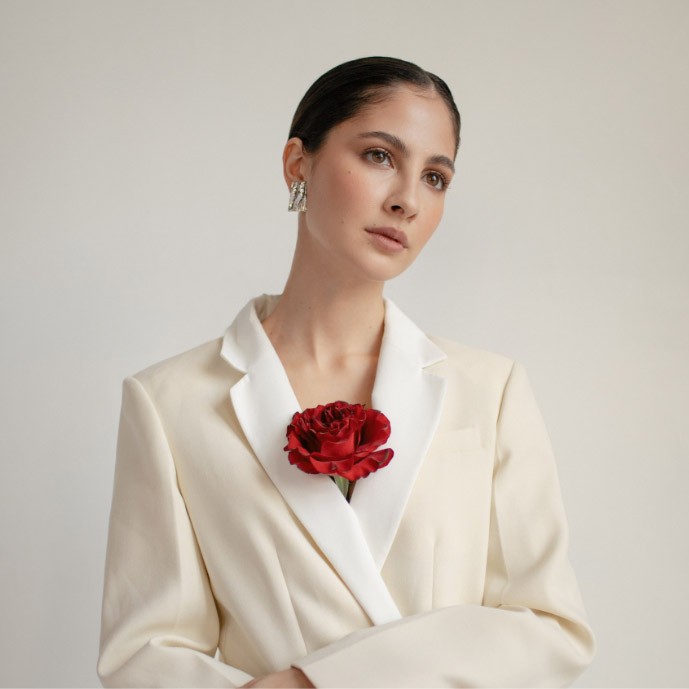
If you want to bring old money style into your own closet, start with fit rather than logos or labels. A blazer that actually sits well on your shoulders will do more work than any recognisable label. Look for tailored pieces in neutral tones like camel, navy, cream, and forest green, and lean on natural fabrics like wool, cotton, and silk wherever your budget allows. A structured single breasted blazer and a pair of knife pleat trousers are worth prioritising first, since they don’t need much alteration to look pulled together straight off the rack.
Accessories matter more than people expect. A leather belt, a simple watch, and loafers or ballet flats instantly read more old money than an entire outfit of technically correct but poorly finished pieces. Skip anything with visible branding, since the entire point of this style is restraint. If you’re shopping on a mid range budget, look for smart casual or workwear categories.
The easiest entry point, if you’re not ready to overhaul your wardrobe, is layering. A crewneck sweater over a collared shirt, or a trench coat thrown over a simple dress, gets you most of the way there without requiring an entirely new closet. Old money style rewards editing rather than accumulating, so resist the urge to buy everything at once and instead build slowly around pieces you’ll actually wear on repeat.
TL;DR
Old money style survives every trend cycle because it was never built to depend on one. It draws from real sartorial history rather than a fleeting social media moment, which gives it staying power that manufactured aesthetics can’t match. The clothes are also genuinely wearable and versatile, so people keep them in rotation long after the trend cycle has technically ended. To try it yourself, prioritise fit and fabric over logos, invest in a few well tailored basics in neutral tones, and use accessories and layering to do most of the styling work rather than chasing an entirely new wardrobe.
Sister Shops:
ISABEL MARANT – Edena leather belt
MANGO – Notched Lapel Double-Breasted Wool Blend blazer
Uniqlo – Trench Coat